
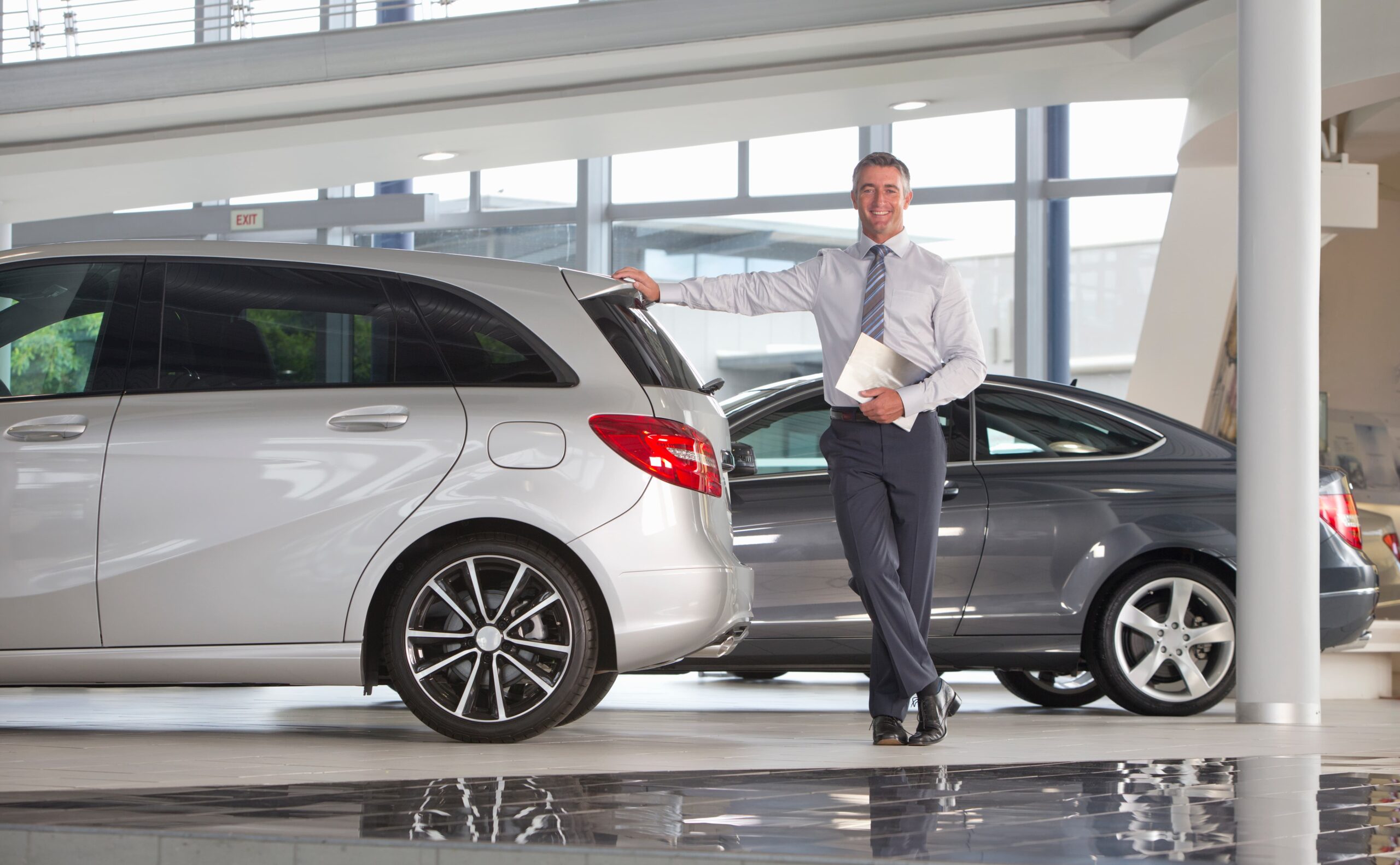
Car dealerships are not going away, but they are changing fast. The old model of waiting for customers to walk into the showroom, test drive a few cars, and spend hours negotiating is becoming less common. Customers now research online, compare prices, check reviews, apply for financing, and sometimes know exactly what they want before they ever speak to a salesperson.
For dealership owners, this means the future will not only be about selling cars. It will be about creating a better buying experience, using smarter technology, building customer trust, and making every department work together.
More Of The Buying Journey Will Start Online
Most car buyers already begin their journey online. They compare models, read reviews, watch videos, check payment options, and look at local inventory before visiting a dealership.
In the future, this will become even more normal. Customers will expect dealership websites to show clear pricing, real photos, payment estimates, financing options, trade-in tools, and easy appointment booking.
Cox Automotive research found that buyers are increasingly using a mix of online and in-store shopping, and many expect that kind of flexible experience in the future. That means dealerships will need to connect their website, sales team, finance office, and showroom much better than before.
A dealership website will no longer be just a digital brochure. It will become one of the most important sales tools in the business.
Showrooms Will Become More Experience Focused
The future dealership showroom will not disappear, but its purpose will change.
Instead of being the place where customers start from zero, the showroom will become the place where they confirm their decision. They may come in to test drive, compare final options, ask questions, inspect the vehicle, or complete paperwork.
This means salespeople will need to act less like traditional sellers and more like product advisors. Customers will already have information. They will need guidance, trust, and a smooth process.
Dealerships that create a comfortable, honest, and helpful showroom experience will have an advantage.
AI Will Handle More Daily Tasks
Artificial intelligence will play a bigger role in dealership operations. AI can already help with lead follow-up, appointment reminders, customer chats, inventory pricing, service scheduling, and marketing messages.
In the future, dealerships will use AI to respond faster, manage customer data, predict buying intent, and personalize communication. Cox Automotive reported that automotive retail is seeing continued growth in online retailing, AI adoption, and third-party integrations.
This does not mean people will become unimportant. In fact, the human side may become even more valuable. AI can handle repetitive work, but customers will still want real people when they have serious questions about financing, trade-ins, protection products, or vehicle features.
F&I Departments Will Become More Transparent
The F&I office will also change. Customers no longer want to feel surprised at the end of the deal. They want to understand their financing, payment, protection options, and paperwork clearly.
Future F&I managers will need to be better trained, more transparent, and more customer-focused. Online menus, digital signatures, remote paperwork, and video explanations may become more common.
This is where F&I training will matter even more. A trained F&I manager can explain products clearly, stay compliant, and help the dealership protect profit without making the customer feel pressured.
Service Departments Will Become A Bigger Profit Center
As vehicle sales become more competitive, fixed operations will become even more important. Service, repairs, maintenance, parts, and customer retention will play a bigger role in dealership growth.
Cox Automotive’s 2025 Fixed Ops and Ownership Study found that high-performing service departments treat fixed ops as a strategic part of the business, connected to sales, inventory, and customer lifetime value. The study also found that dealership-provided photos and videos of recommended repairs can increase customer trust and repair order value.
This shows where the future is headed. Service departments will need better communication, faster updates, digital inspections, online scheduling, and stronger follow-up after the visit.
Electric Vehicles Will Change Sales And Service
Electric vehicles will also change how dealerships operate. Selling an EV is not the same as selling a gas-powered vehicle. Customers may have questions about charging, battery life, range, incentives, home chargers, maintenance, and resale value.
Dealership teams will need more product education. Service departments will need technicians trained to work with EV systems. Parts departments may also change because EVs have fewer traditional maintenance needs, but they require different technical knowledge.
Dealerships that prepare early will be in a better position as more buyers consider electric and hybrid vehicles.
Data Will Drive More Decisions
Future dealerships will rely more on data. Owners and managers will use data to understand which leads are most likely to buy, which cars should be stocked, which customers need service, and which marketing channels are producing real results.
Data will also help with pricing. Used car values, market demand, days on lot, and local competition can all change quickly. Dealerships that use data well will make faster and smarter decisions.
The future dealership will not run only on instinct. It will run on a mix of experience, customer relationships, and real-time information.
Customer Trust Will Matter More Than Ever
As more of the buying process moves online, trust will become one of the biggest competitive advantages.
Customers want clear pricing, honest communication, fast responses, and no hidden surprises. If a dealership makes the process feel difficult or unclear, buyers can easily move on to another store.
The dealerships that win in the future will not be the ones that only advertise the lowest price. They will be the ones that make customers feel safe, informed, and respected.
Dealerships Will Need Better Training
All these changes mean dealership staff will need better training. Salespeople, F&I managers, BDC teams, service advisors, and managers will all need to understand new tools, customer expectations, compliance rules, and digital processes.
Training will not be a one-time thing. It will need to be ongoing.
Online training will become more useful because it allows employees to learn without leaving the dealership for long periods. It can help teams stay updated, improve communication, and create a more consistent process across the store.
The Future Belongs To Adaptable Dealerships
Car dealerships will still be important in the future, but the way they operate will be different. More shopping will happen online. Showrooms will become more experience-focused. AI will support daily work. F&I will become more transparent. Service departments will become even more valuable.
Dealerships that resist change may struggle. But dealerships that adapt can become stronger, more efficient, and more trusted by customers.
The future of car dealerships is not about replacing people with technology. It is about using technology to make the people, the process, and the customer experience better.